
The Best Stories Start on the Front Lines
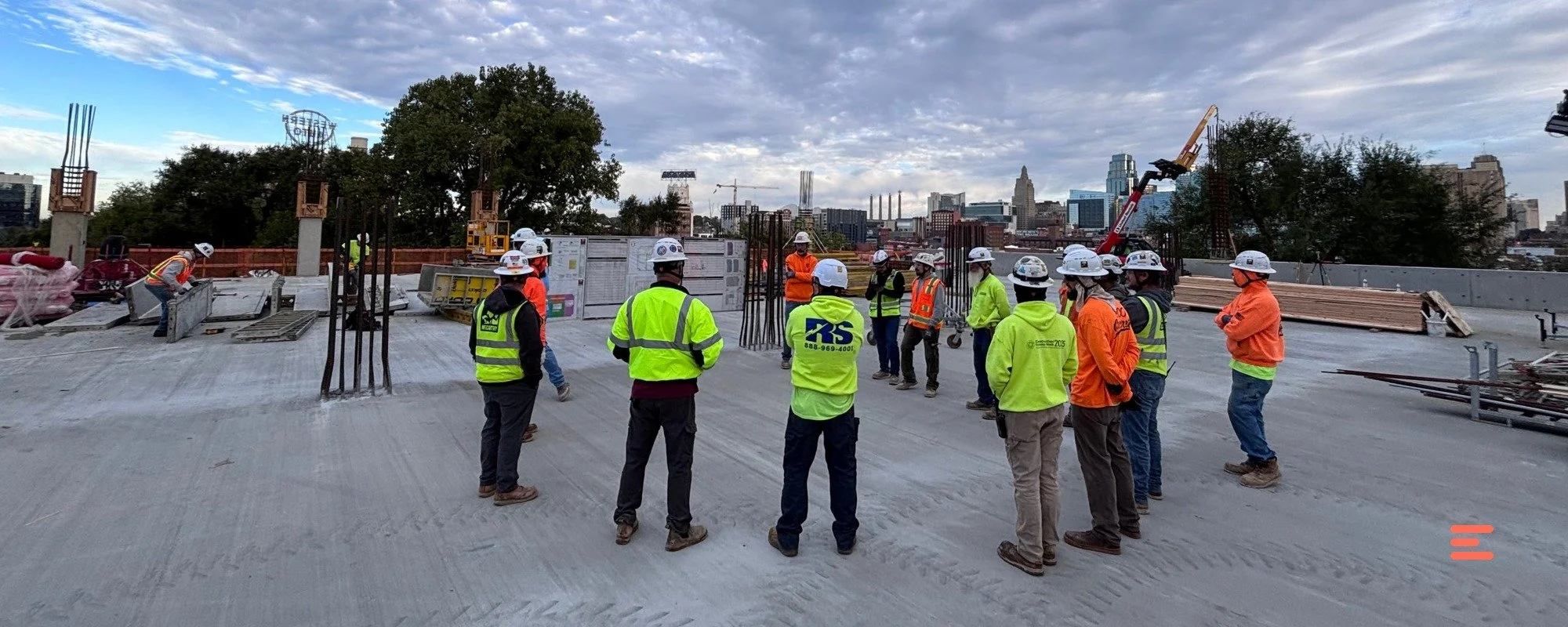
The most compelling design and construction stories don’t originate in a corner office or sterile conference room. They’re forged in the field, whether on a gritty construction jobsite or during an impromptu design team brainstorm.
Yet most of us seek out “content” in the comfortable confines of a structured office environment.
The primary problem with this approach is that it’s disconnected from the places where ingenuity, innovation, problem-solving and success happen.
Decades of experience have taught me that the richest storylines come from the team members closest to the hands-on work that’s foundational to a business. That work is where potential pitfalls are identified (and solved), novel approaches are tested (and refined) and unconventional collaborations bear the most fruit.
Unfortunately, most of these stories stay buried because no one goes looking for them.
That’s where I come in. I’m always urging my clients to give me access to the folks who are on the front lines of projects, whether that’s a skilled construction superintendent or an enterprising young architect.
Admittedly, it can be a challenge to get to these people because they’re busy doing their jobs and constantly on the move…and they rarely seek the spotlight.
But connecting with them is always worth the effort. Because these individuals can share specific project details others can’t, their insights often spark new story angles or strengthen existing storylines. And they usually speak to me in an unvarnished, uncoached way that’s truly refreshing.
Go Beyond the Project Team
It’s just as important to look beyond the project team and speak directly with end users: the physician acclimating to a newly commissioned surgical suite, the student benefiting from a new classroom building or the employee settling into a refreshed workplace.
I can’t overstate how valuable these perspectives are. They fuel future media pitches; thought leadership topics; and content for award nominations, proposals and other marketing materials.
That’s not to diminish the importance of also gathering and including perspectives from principal-level voices. But to assume these senior-level folks are plugged into the organization’s ripest stories is shortsighted.
The raw material for the best stories lives on the front lines. You have to go where the work happens—and listen to the people doing it and benefiting from it.